(function(){var w=window;var d=document;var l=function(){var s=d.createElement(‘script’);s.type=‘text/javascript’; s.async=true; s.src='https://platform.swellcx.com/widget/js/chat.js#3bab4da4-ca76-4fbf-b008-84b5f16b7d4d';s.setAttribute(‘data-api-token’,‘3bab4da4-ca76-4fbf-b008-84b5f16b7d4d’);var x=d.getElementsByTagName(‘script’)[0];x.parentNode.insertBefore(s,x);};if(w.attachEvent){w.attachEvent(‘onload’,l);}else{w.addEventListener(‘load’,l,false);}})();

Invisalign Treatment Length: What Actually Determines Your Timeline

Invisalign in Colleyville

If you’re exploring Invisalign in Colleyville, one of your first questions is probably: how long will this take? Understanding Invisalign treatment length and what actually determines your timeline helps you plan with confidence. The honest answer is that it varies — but it’s not random. Several clear, identifiable factors shape how quickly you reach your final smile. Dr. Shilpa Karri at Serene Dental of Colleyville walks patients through these factors every day so there are no surprises along the way.

What Is the Average Invisalign Treatment Length in Colleyville?

Most adults complete Invisalign treatment in 12 to 18 months. That’s a broad range, and it exists for good reason. Mild spacing or crowding cases can resolve in as little as 6 months. More complex bite corrections may take 24 months or longer.

Teen treatment plans sometimes differ from adult plans. Teens tend to experience faster tooth movement in some cases. However, compliance challenges can offset that advantage. Dr. Karri evaluates each patient’s unique anatomy before estimating a realistic timeline.

It’s important to treat any quoted timeline as an estimate, not a guarantee. Your teeth respond at their own pace. Regular check-ins at Serene Dental of Colleyville allow us to monitor progress and adjust the plan when needed.

Key Factors That Determine Your Invisalign Timeline

No two mouths are identical. Several variables directly influence how long your treatment will run. Knowing these factors helps you set realistic expectations from day one.

  • Complexity of your case: Mild crowding moves faster than significant bite misalignment.
  • Number of aligners prescribed: Each aligner set shifts teeth a fraction of a millimeter. More shifts mean more trays and more time.
  • Age and bone density: Younger patients often see slightly faster movement because bone remodels more readily.
  • Attachments and refinements: Some cases require small tooth-colored buttons to guide movement. Refinement trays added mid-treatment can extend the overall timeline.
  • Gaps versus crowding: Closing large gaps often requires more controlled, gradual movement than simple alignment corrections.

During your consultation, Dr. Karri uses digital imaging to map your full treatment arc. That roadmap gives you a clearer picture of how many aligner stages your case actually requires.

How Patient Compliance Shapes Your Results and Timeline

This is the factor entirely within your control. Invisalign aligners must be worn 20 to 22 hours per day to work as planned. Wearing them less frequently slows tooth movement significantly. Patients who consistently under-wear their trays often need extra refinement stages — adding months to their overall timeline.

Many patients underestimate how 20 to 22 hours actually feels in daily life. It means wearing aligners during sleep, work, and most social situations. You remove them only to eat, drink anything other than water, and brush your teeth.

Compliance also extends to switching trays on schedule. Most plans call for a new set every 7 to 14 days. Delaying a switch — even by a few days — can compound into a noticeably extended timeline. Staying on schedule is the single most powerful thing you can do to finish on time.

  • Wear aligners 20–22 hours daily without exception
  • Switch to a new tray on the exact day instructed
  • Store aligners in their case when not in use to avoid loss or damage
  • Attend every scheduled progress appointment at Serene Dental of Colleyville
  • Contact Dr. Karri promptly if a tray cracks or feels significantly off

What Can Extend Your Invisalign Timeline?

Even motivated patients sometimes see their timelines lengthen. Understanding the common causes helps you avoid them proactively. A few situations are within your control; others are not.

Refinements are one of the most common reasons timelines extend. Refinements are additional aligner sets prescribed when teeth haven’t moved exactly as planned. They’re a normal part of many Invisalign journeys — not a sign that something went wrong. However, they do add time.

Lost or broken aligners also delay progress. A missing tray means you may need to wear the previous set until a replacement arrives. That pause interrupts momentum. Keeping your case with you at all times drastically reduces this risk.

Complex tooth movements — particularly rotations of round teeth like canines — take longer by nature. These movements require precise aligner engineering and more treatment stages. If your initial scan reveals this type of complexity, Dr. Karri will factor it into your estimated timeline upfront.

Invisalign vs. Other Alignment Options: A Timeline Perspective

Patients sometimes ask how Invisalign compares to traditional braces in terms of time. For mild to moderate cases, the timelines are often comparable. Traditional braces may sometimes work faster for very complex bite corrections because they allow more force application. However, Invisalign offers significant lifestyle advantages that many patients prioritize.

It’s also worth noting that after any orthodontic treatment — including Invisalign — you’ll wear a retainer. Retainers are not optional. They prevent teeth from drifting back toward their original positions. Dr. Karri will fit you for a retainer near the end of your Invisalign journey and explain how long to wear it each day.

If Invisalign isn’t the right fit for your case, Dr. Karri can discuss other restorative options at Serene Dental of Colleyville. For patients with missing teeth, solutions like Dental Bridges Colleyville or implants may be part of a broader treatment plan. In some situations, a Dental Bridges Colleyville restoration may need to be completed before or after Invisalign to achieve the best outcome. Your consultation will clarify the right sequence for your individual needs.

What to Expect at Your Invisalign Consultation at Serene Dental of Colleyville

Your first step is a comprehensive consultation with Dr. Shilpa Karri. She reviews your dental health, takes digital impressions, and assesses the complexity of your alignment concerns. From that data, she maps out a proposed treatment plan — including an estimated number of aligner stages.

You’ll see a digital preview of your projected tooth movement before you commit. This visualization helps you understand the process and gives Dr. Karri a chance to explain what drives your specific timeline. It’s a two-way conversation, not a one-size-fits-all pitch.

Follow-up appointments typically occur every 6 to 8 weeks. These visits let Dr. Karri confirm that your teeth are tracking as planned. If any adjustment is needed, it’s far easier to catch early than late. Staying engaged with your appointments is just as important as wearing your trays consistently.

Starting your Invisalign journey well-informed puts you in control of your results. The more you understand your timeline — and what shapes it — the better positioned you are to finish on schedule. Book Now to schedule your appointment with our team.
Frequently Asked Questions

How long does Invisalign treatment typically take for adults in Colleyville?

Most adult patients complete Invisalign treatment in 12 to 18 months. Mild cases may finish in as few as 6 months, while complex bite corrections can take up to 24 months. Dr. Karri provides a personalized estimate after reviewing your digital impressions and case complexity during your consultation at Serene Dental of Colleyville.

What happens if I don’t wear my aligners the full 20 to 22 hours per day?

Wearing your aligners less than recommended slows tooth movement and can cause your teeth to drift out of the planned position. This often leads to additional refinement trays, which extend your overall treatment timeline. Consistent daily wear is the most important factor within your control when it comes to finishing on time.

Can refinements extend my Invisalign treatment length?

Yes, refinements can add time to your treatment. Refinements are extra aligner sets prescribed when final tooth positioning needs fine-tuning. They are common and expected in many cases — not a sign of failure. Dr. Karri discusses the likelihood of refinements during your initial treatment planning so you’re prepared for that possibility.

Do I need a retainer after Invisalign is complete?

Absolutely. A retainer is essential after any orthodontic treatment, including Invisalign. Without a retainer, teeth can gradually shift back toward their original positions — a process called relapse. Dr. Karri fits patients for a custom retainer near the end of treatment and provides guidance on how often to wear it to maintain your results long-term.

Is Invisalign faster than traditional braces?

For mild to moderate alignment cases, Invisalign and traditional braces are often comparable in treatment length. Some complex bite issues may move slightly faster with braces due to the greater force they can apply. However, for many patients, the lifestyle convenience of Invisalign makes it the preferred choice regardless of minor timeline differences. Dr. Karri will help you evaluate which option best fits your specific dental needs.

Emergency Tooth Pain Care in Colleyville, TX

Emergency Dentistry in Southlake

Tooth pain can stop you in your tracks. When it strikes suddenly and hard, you need to know: is this a dental emergency? Understanding severe tooth pain and which causes demand emergency care today in Southlake helps you act fast and protect your smile. At Serene Dental of Colleyville, Dr. Shilpa Karri helps patients throughout the Southlake area identify urgent dental situations every single day.

Not every toothache means you need to rush to the dentist immediately. However, some causes are genuinely dangerous if left untreated. Knowing the difference could save your tooth — or even your health.

Common Causes of Severe Tooth Pain in Southlake Residents

Tooth pain has many possible origins. Some are minor and manageable. Others signal serious problems that need same-day attention. The most common causes include tooth decay, cracked teeth, abscesses, gum disease, and damaged restorations.

Deep cavities often cause sharp, throbbing pain. When decay reaches the inner pulp of your tooth, the nerve becomes exposed and inflamed. That kind of pain rarely goes away on its own.

Cracked teeth are another frequent culprit. A crack can develop from biting hard foods, teeth grinding, or even temperature changes. The pain often comes and goes, making it easy to dismiss — but it shouldn’t be ignored.

  • Sharp pain when biting or chewing
  • Throbbing pain that wakes you at night
  • Swelling around the jaw or gums
  • Sensitivity to hot and cold that lingers
  • Visible damage or missing tooth structure

Which Tooth Pain Causes Demand Emergency Care Today

Some situations genuinely cannot wait. Severe tooth pain that demands emergency care today in Southlake includes dental abscesses, knocked-out teeth, and severe infections. These conditions can worsen rapidly without treatment.

A dental abscess is a pocket of infection at the root or in the gum tissue. It often causes intense, constant pain, facial swelling, and fever. Left untreated, the infection can spread to your jaw, neck, or even your bloodstream.

A knocked-out or dislodged tooth is also a true emergency. You have the best chance of saving it within 30 to 60 minutes. Handle the tooth by the crown, rinse it gently, and get to a dentist immediately.

Severe bleeding that won’t stop after an extraction or injury also requires same-day attention. So does a broken tooth with sharp edges that cut your tongue or cheeks.

  • Dental abscess with swelling or fever — go now
  • Knocked-out permanent tooth — act within 60 minutes
  • Uncontrolled bleeding — seek immediate care
  • Severe jaw pain or locked jaw — do not wait
  • Broken tooth causing soft tissue injury — call today

When Tooth Pain Can Wait — and When It Cannot

Not every toothache demands a same-day visit. Mild sensitivity to sweets or a brief twinge after eating cold food can usually wait for a scheduled appointment. These symptoms still deserve attention, but they are rarely urgent.

A lost filling or loose crown also falls into the

Emergency Tooth Pain in Colleyville, TX

Tooth Extraction in Bedford

Tooth pain can stop you in your tracks. One moment you are eating dinner, and the next, a sharp ache takes over. Many Bedford residents wonder: is your tooth pain an emergency, and what dentists want you to know Bedford patients often overlook? The answer depends on the cause, severity, and how quickly symptoms appeared. Understanding the difference can protect your oral health and save you unnecessary stress.

Common Causes of Severe Tooth Pain

Not all tooth pain feels the same. Some pain is dull and constant, while other pain is sharp and sudden. Identifying the type of pain helps your dentist determine the underlying cause.

Here are the most common reasons Bedford patients experience severe tooth pain:

  • Tooth decay reaching the inner pulp — causes deep, throbbing aches
  • Cracked or fractured teeth — sharp pain when biting or chewing
  • Dental abscess — persistent, severe pain often with swelling
  • Exposed tooth root — intense sensitivity to hot, cold, or sweet foods
  • Lost filling or crown — sudden sensitivity or mild to moderate pain
  • Gum disease or infection — dull soreness near the gum line

Each cause requires a different level of urgency. Some warrant same-day treatment. Others can be scheduled within a few days without serious risk.

True Dental Emergencies That Require Same-Day Care in Bedford

Certain dental situations cannot wait. Delaying treatment can lead to serious complications, including spreading infection or permanent tooth loss. Knowing these warning signs could make a real difference.

Seek immediate dental care if you experience any of the following:

  • A dental abscess with facial swelling or fever
  • A knocked-out permanent tooth
  • Uncontrolled bleeding inside the mouth
  • Severe, unrelenting pain that does not respond to over-the-counter relief
  • A broken tooth with exposed nerve tissue
  • Significant jaw pain or difficulty opening your mouth

A dental abscess is especially dangerous. The infection can spread to your jaw, neck, or even your bloodstream. This condition always requires same-day attention from a dentist.

A knocked-out tooth is another time-sensitive emergency. If you act within 30 to 60 minutes, a dentist may be able to save it. Keep the tooth moist in milk or saliva and call your dental office right away.

Tooth Pain That Can Wait — But Should Still Be Addressed Soon

Not every ache requires an emergency visit. Some dental issues cause discomfort but do not pose an immediate threat to your health. However, waiting too long on any dental issue can turn a minor problem into a major one.

You may be able to schedule a regular appointment if your tooth pain is:

  • Mild and intermittent without swelling
  • Sensitivity to cold that fades within a few seconds
  • Minor soreness after a dental procedure
  • Discomfort from a loose filling with no sharp edges or pain

Even if the pain seems manageable, do not ignore it. Tooth decay and gum disease progress silently. What feels minor today can become a root canal or extraction situation next month.

Dr. Shilpa Karri at Serene Dental of Colleyville advises patients to call when in doubt. A quick phone consultation often clarifies whether you need to come in right away or schedule within the week.

What Happens During an Emergency Dental Visit

Many Bedford patients hesitate to seek emergency care because they are unsure what to expect. Emergency dental visits are focused, efficient, and designed to relieve your pain quickly. The goal is to diagnose the problem and stabilize your condition.

During a same-day emergency visit at Serene Dental, your dentist will typically:

  1. Review your symptoms and take a brief medical history
  2. Take targeted X-rays to identify the source of pain
  3. Examine the affected area for infection, fractures, or decay
  4. Provide immediate pain relief or treatment as needed
  5. Explain next steps, which may include root canal treatment, extraction, or a follow-up procedure

If a tooth cannot be saved, your dentist will discuss tooth replacement options. Solutions like dental implants or Dental Bridges can restore both function and appearance after a tooth loss. Understanding your options early makes the path forward less overwhelming.

In some cases, a missing tooth treated with a Dental Bridges solution can preserve the alignment of surrounding teeth. Early planning after an emergency prevents additional dental problems down the road.

How to Manage Tooth Pain Before Your Appointment

While you wait for your dental appointment, there are safe ways to reduce discomfort at home. These tips will not cure the problem, but they can help you stay comfortable until you receive professional care.

  • Take over-the-counter pain relievers like ibuprofen as directed
  • Apply a cold compress to the outside of your cheek for 15 to 20 minutes
  • Avoid extremely hot, cold, or sweet foods and drinks
  • Rinse gently with warm salt water to reduce inflammation
  • Avoid pressing or prodding the affected tooth

Never place aspirin directly on a tooth or gum. This can cause chemical burns to soft tissue. Always follow medication label instructions carefully.

If pain becomes severe, swelling spreads to your face or neck, or you develop a fever, go to an emergency room or call your dentist immediately. These are signs of a spreading infection that needs urgent care.

Why Regular Dental Care Prevents Dental Emergencies

Routine dental care is the best way to avoid emergency situations. Regular teeth cleanings and exams allow your dentist to catch small problems before they escalate. Preventive care is far less costly and painful than emergency treatment.

Patients who visit their dentist every six months are far less likely to experience sudden tooth pain. Early detection of decay, cracked teeth, and gum disease keeps small issues manageable. Consistent care keeps your smile healthy and your stress levels low.

Bedford residents near Colleyville have access to comprehensive dental care at Serene Dental. Dr. Shilpa Karri and her team treat patients with genuine care and a personalized approach. Whether you need a routine cleaning or urgent treatment, they are ready to help.

Conclusion

Tooth pain is never something to dismiss. Knowing whether your situation is a true dental emergency could protect your health, your teeth, and your peace of mind. If you are unsure, always err on the side of calling your dentist first. Early action leads to better outcomes — always. Book Now to schedule your appointment with our team.

Frequently Asked Questions

How do I know if my tooth pain is a dental emergency?

Dental emergencies typically involve severe or worsening pain, visible swelling, fever, uncontrolled bleeding, or a knocked-out tooth. If you are unsure, call your dental office right away. A quick conversation with the dental team can help you decide how urgently you need to be seen.

Can a tooth abscess go away on its own?

No, a dental abscess will not resolve without professional treatment. The infection requires drainage and antibiotics prescribed by a dentist. Leaving an abscess untreated can cause the infection to spread and become life-threatening in serious cases.

What should I do if I knock out a tooth?

Pick up the tooth by the crown, not the root. Rinse it gently with water if it is dirty, but do not scrub it. Keep it moist by placing it in milk or between your cheek and gum. Contact your dentist immediately — acting within 30 to 60 minutes gives the best chance of saving the tooth.

Is tooth sensitivity always a sign of an emergency?

Not always. Brief sensitivity to cold that disappears quickly is often caused by minor enamel wear or gum recession. However, if sensitivity is severe, persistent, or accompanied by pain when biting, it may signal a deeper issue that needs prompt evaluation by your dentist.

How soon should I see a dentist for tooth pain?

You should see a dentist within 24 hours if your pain is severe, worsening, or accompanied by swelling. Mild, occasional pain may allow a few days before scheduling, but do not delay longer than a week. Dental problems rarely improve without professional treatment.

Dental Implants vs. Dentures vs. Bridges Colleyville

Dental Implants in Colleyville

Losing a tooth — or several — changes more than just your smile. It affects how you eat, speak, and feel about yourself every day. If you are weighing dental implants vs. dentures vs. bridges and wondering which is right for you in Colleyville, you are not alone. At Serene Dental of Colleyville, Dr. Shilpa Karri helps patients understand all three options so they can make confident, informed decisions. This guide breaks down each choice clearly.

Understanding Your Three Main Tooth Replacement Options

Before comparing, it helps to understand what each option actually is. A dental implant is a titanium post surgically placed into your jawbone. It acts as an artificial tooth root and supports a crown on top. It looks and feels like a natural tooth.

A dental bridge spans the gap left by one or more missing teeth. It anchors to neighboring teeth using dental crowns on either side. Dental Bridges are a reliable, non-surgical solution that many patients choose. They restore both function and appearance without the recovery time of surgery.

Dentures are removable appliances that replace multiple — or all — missing teeth. They rest on the gums and can cover an entire arch. Modern dentures fit better and look more natural than older versions. They remain the most affordable upfront option for patients missing many teeth.

Dental Implants vs. Dentures vs. Bridges: How They Compare in Colleyville

When comparing these options side by side, several factors matter most. These include durability, bone health, comfort, and daily maintenance. Understanding these differences helps you ask better questions at your consultation.

  • Longevity: Implants can last a lifetime with proper care. Bridges typically last 10–15 years. Dentures usually need replacement or adjustment every 5–10 years.
  • Bone preservation: Implants stimulate the jawbone, preventing bone loss. Bridges and dentures do not provide this benefit.
  • Comfort: Implants feel like natural teeth. Bridges feel stable and fixed. Dentures can slip or cause soreness over time.
  • Maintenance: Implants are cared for just like natural teeth. Bridges require special flossing tools. Dentures must be removed and cleaned daily.
  • Candidacy: Implants require sufficient jawbone and good overall health. Bridges need healthy adjacent teeth. Dentures work for almost any patient.

No single option is universally best. The right choice depends on your specific oral health, lifestyle, and goals.

Who Makes a Good Candidate for Each Option?

Dental implants work best for patients who are in good overall health. You need adequate jawbone density to support the titanium post. Non-smokers and patients without uncontrolled diabetes tend to have better outcomes. If you want a permanent, low-maintenance solution, implants are worth serious consideration.

Dental Bridges are a strong choice when you are missing one to three consecutive teeth. Your neighboring teeth must be healthy enough to support the crowns. Bridges are a great middle ground — more stable than dentures, less invasive than implants. They are also completed in fewer appointments.

Dentures are often recommended when multiple teeth are missing across an arch. They are also the go-to option when bone loss makes implants more complex. Patients who want to restore full function quickly often start with dentures. Some patients later upgrade to implant-supported dentures for better stability.

What to Expect During the Decision-Making Process

Choosing between these options is not something you have to do alone. Dr. Karri begins with a thorough exam and digital X-rays. This helps evaluate your bone density, gum health, and overall oral condition. From there, she walks you through which options are realistic for your situation.

The process typically includes these steps:

  1. Initial consultation and full oral health evaluation
  2. Review of your medical and dental history
  3. Discussion of your aesthetic goals and lifestyle needs
  4. A personalized treatment recommendation from Dr. Karri
  5. Review of timeline, procedures, and what recovery looks like

There is no pressure to decide on the spot. Education is a priority at Serene Dental of Colleyville. Dr. Karri wants every patient to feel informed and confident before moving forward.

Key Benefits of Each Option at a Glance

Each replacement option offers real advantages depending on your needs. Here is a quick summary to help guide your thinking.

  • Dental Implants: Permanent solution, preserves jawbone, looks and feels natural, easy to clean
  • Dental Bridges: No surgery required, faster completion, stable and fixed in place, effective for single-gap restoration
  • Dentures: Most affordable upfront, suitable for extensive tooth loss, removable for cleaning, can be made quickly

These benefits do not exist in a vacuum. Your age, health history, and budget all play a role in the decision. That is why a one-on-one consultation with Dr. Karri is so valuable.

Making the Right Choice for Your Smile in Colleyville

There is no wrong question when it comes to tooth replacement. Patients in Colleyville come to Serene Dental of Colleyville with all kinds of concerns — and Dr. Karri takes time to address every one. Whether you lean toward implants, bridges, or dentures, the goal is the same: restoring your confidence and quality of life.

Missing teeth affect more than appearance. They can change how you chew, speak, and even how your face looks over time. Acting sooner rather than later protects your remaining teeth and your jawbone. The right treatment makes a lasting difference.

If you are ready to explore your options, the team at Serene Dental of Colleyville is here to help. Dr. Karri brings both expertise and genuine care to every patient visit. Book Now to schedule your appointment with our team.
Frequently Asked Questions

How long do dental implants last compared to bridges and dentures?

Dental implants can last a lifetime with proper oral care. Bridges typically last 10 to 15 years before needing replacement. Dentures usually require adjustment or replacement every 5 to 10 years as your jaw changes shape over time.

Are dental implants painful to get?

Most patients report less discomfort than expected during the implant procedure. Local anesthesia is used to keep you comfortable throughout the process. Mild soreness during healing is common and manageable with over-the-counter pain relief.

Can I get a dental bridge if my neighboring teeth are healthy?

Yes. Healthy adjacent teeth are actually a requirement for a traditional dental bridge. The neighboring teeth are prepared and fitted with crowns to anchor the bridge in place. Dr. Karri will evaluate your specific situation to confirm you are a good candidate.

What happens to my jawbone if I choose dentures instead of implants?

When teeth are missing, the jawbone in that area gradually shrinks over time. Dentures rest on the gums and do not stimulate the bone the way implant roots do. This bone loss can change your facial structure and affect how dentures fit as years pass. Implant-supported dentures can help reduce this effect.

How do I know which tooth replacement option is right for me?

The best way to know is through a professional evaluation with Dr. Shilpa Karri at Serene Dental of Colleyville. She will review your bone density, gum health, and overall goals before making a personalized recommendation. Every patient’s situation is unique, and there is no one-size-fits-all answer.

Dental Exam & Cleaning in Colleyville, TX

General Dentistry in Colleyville

If you have ever wondered what your hygienist and dentist actually check during your exam in Colleyville, you are not alone. Many adults walk into a dental office unsure of what to expect. Knowing what happens at each step can make the appointment feel much less intimidating. At Serene Dental of Colleyville, Dr. Shilpa Karri and our hygiene team work together to give you a thorough, comfortable experience every time.

What Your Hygienist Does First — and Why It Matters

Your appointment almost always begins with the dental hygienist. They handle the preparation work before Dr. Karri steps in for the exam. This teamwork approach ensures nothing gets missed during your visit.

Here is what your hygienist checks and does in this first phase:

  • Reviews your medical history and any changes in medications
  • Takes or updates dental X-rays to check bone levels and hidden decay
  • Measures your gum pockets using a small probe — healthy pockets are 1–3 mm
  • Checks for signs of gum disease, including redness or bleeding
  • Removes tartar buildup that regular brushing cannot eliminate
  • Polishes your teeth to clear away surface stains

The gum pocket measurements are especially important. Deep pockets can signal early gum disease, which is easier to treat when caught early. Your hygienist records these numbers each visit so any changes are easy to spot over time.

The Teeth Cleaning Process — Step by Step in Colleyville

After the initial assessments, your hygienist performs the actual cleaning. This part is called a prophylaxis, and it goes well beyond what your toothbrush does at home. Most patients find it straightforward once they understand each step.

First, the hygienist uses a scaler to remove hardened tartar, also called calculus. Tartar forms when plaque stays on teeth too long and hardens. No amount of brushing removes it once it hardens — only a dental instrument can do that.

Next comes polishing with a gritty paste and a spinning brush. This smooths the tooth surface and removes light stains. Finally, the hygienist flosses between every tooth to clear any remaining debris. Some patients are surprised how thorough this step is during a routine visit.

What Dr. Karri Examines During the Dental Check

Once cleaning is complete, Dr. Shilpa Karri performs a comprehensive dental exam. This is the part of the appointment focused on diagnosing any concerns. She looks at far more than just your teeth during this review.

Dr. Karri checks the following during a standard exam:

  • Each tooth individually for signs of decay, cracks, or worn enamel
  • Existing fillings, crowns, or restorations to confirm they are holding up
  • Your bite alignment and jaw function
  • The soft tissues — cheeks, tongue, roof of mouth, and throat
  • Your neck and lymph nodes for any unusual swelling
  • The TMJ (jaw joint) for clicking, pain, or limited movement

The soft tissue and neck check is often called an oral cancer screening. It takes less than a minute. Early detection of any abnormal tissue significantly improves outcomes, which is why Dr. Karri includes it at every routine exam.

How X-Rays Help Your Dentist See What Eyes Cannot

Dental X-rays are a key part of what your hygienist and dentist check during your exam in Colleyville. They reveal problems that are completely invisible to the naked eye. Without X-rays, early issues can go undetected until they become serious.

X-rays help identify decay forming between teeth, bone loss around tooth roots, abscesses forming beneath the gumline, and impacted or shifting teeth. Dr. Karri reviews your X-rays and explains any findings in plain language. She will never recommend treatment you do not fully understand first.

How often you need X-rays depends on your individual risk factors. New patients typically receive a full set. After that, bitewing X-rays every 12 to 24 months are common for most healthy adults.

When a Dentist Spots More Than Routine Issues

Sometimes Dr. Karri discovers something during your exam that needs further attention. This might include a cracked tooth, early decay, a failing restoration, or significant bone loss. She will walk you through exactly what she found and what your options are.

For patients missing teeth, she may discuss options like Dental Bridges as a way to restore function and appearance. For patients whose existing Dental Bridges show wear or fit issues, she will assess whether repair or replacement makes the most sense. Every recommendation Dr. Karri makes connects to what she actually observed during your exam — not a general checklist.

She will never pressure you into immediate decisions. Her goal is to make sure you have accurate, complete information so you feel confident in your next steps.

Tips for Getting the Most From Your Colleyville Dental Exam

A little preparation goes a long way before your appointment. Knowing what to bring and what to share helps the team provide better, more personalized care.

  • Bring a current list of all medications and supplements you take
  • Let the hygienist know about any tooth sensitivity or pain you have noticed
  • Mention any changes in your health since your last visit
  • Ask questions — no question is too small in our office
  • Brush and floss before your appointment, but do not skip flossing to avoid embarrassment

Being open with your hygienist and Dr. Karri helps them give you the most accurate picture of your oral health. The more context they have, the more tailored your care becomes.

Conclusion — Your Exam Is Worth Every Minute

A routine dental exam covers far more ground than most patients realize. From gum pocket measurements to oral cancer screenings, every step serves a specific purpose. Dr. Shilpa Karri and the team at Serene Dental of Colleyville are here to make sure you understand exactly what is happening and why. Staying consistent with your exams is one of the smartest things you can do for your long-term health. Book Now to schedule your appointment with our team.

Frequently Asked Questions

How long does a routine dental exam and cleaning take?

Most routine exams and cleanings take between 60 and 90 minutes. If X-rays are needed or if additional concerns are found, the appointment may run slightly longer. First-time patients often take a bit more time since the team collects a complete health history.

Does the gum pocket measurement hurt?

Most patients feel only mild pressure during gum pocket probing. If your gums are inflamed or sensitive, it may be slightly uncomfortable. Regular cleanings help keep gum tissue healthy, which makes future measurements much more comfortable.

How often should I get a dental exam in Colleyville?

Most adults benefit from a dental exam and cleaning every six months. Some patients with gum disease, a higher cavity risk, or certain health conditions may need visits every three to four months. Dr. Karri will recommend the schedule that fits your specific situation.

What happens if Dr. Karri finds a cavity during the exam?

If Dr. Karri spots decay during your exam, she will explain the size and location clearly. Small cavities are typically treated with a tooth-colored filling. Larger areas of decay may require a crown or other restoration. She will outline all your options before any treatment begins.

Is an oral cancer screening part of a routine exam?

Yes. Dr. Karri performs a soft tissue and oral cancer screening at every routine exam. It involves checking the cheeks, tongue, throat, and neck for anything unusual. The screening takes only a minute or two and is an important part of your overall health check.

Knocked-Out Tooth Emergency in Colleyville, TX

Emergency Dentistry in Southlake

A knocked-out tooth is one of the most time-sensitive dental emergencies you can face. Your knocked-out tooth has 30 minutes—here’s exactly what to do in Southlake if this happens to you or your child. The decisions you make in those first moments can mean the difference between saving your tooth and losing it permanently. At Serene Dental of Colleyville, Dr. Shilpa Karri sees these emergencies regularly and wants you to be prepared.

Most people panic when a tooth gets knocked out. That reaction is completely natural. But panic costs you precious time. Read this guide now, before an emergency happens, so you know exactly what steps to take.

Why the First 30 Minutes Are Critical for a Knocked-Out Tooth

When a tooth is completely knocked out, the living cells on the root surface begin to die quickly. These cells are called periodontal ligament cells. They are what allow a tooth to reattach to the bone socket. After 30 minutes outside the mouth, survival rates drop sharply.

After 60 minutes, reimplantation becomes much less likely to succeed. This is not meant to frighten you. It is meant to motivate you to act fast and smart. Time is your most important resource in this situation.

Children and adults are both at risk. Sports injuries, falls, and accidents are the most common causes. Knowing what to do ahead of time gives you a real advantage when seconds count.

Step-by-Step: Exactly What to Do in the First 30 Minutes in Southlake

Follow these steps immediately after a tooth is knocked out. Do not skip any of them. Each step protects the tooth and improves your chances of saving it.

  1. Pick up the tooth by the crown. Never touch the root. The root surface contains fragile cells that must stay intact.
  2. Rinse gently with milk or saline. If neither is available, use clean water. Do not scrub the tooth. Do not use soap.
  3. Try to reinsert the tooth. Gently push it back into the socket if possible. Hold it in place by biting softly on a clean cloth.
  4. Store it in milk if reinsertion is not possible. Milk preserves the root cells better than water. Saliva is the second-best option.
  5. Call an emergency dentist immediately. Dr. Shilpa Karri at Serene Dental of Colleyville prioritizes emergency cases. Get to a dental office within 30 minutes.
  6. Do not let the tooth dry out. A dry tooth loses viability within minutes. Keep it moist at all costs.

Following these steps gives your tooth the best possible chance. Many patients who act quickly are able to have their tooth successfully reimplanted. Do not wait to see if the pain subsides. Call right away.

What Happens When You Arrive at the Dentist in Southlake

Once you arrive at Serene Dental of Colleyville, Dr. Karri will assess the tooth and the socket immediately. She will take X-rays to evaluate the surrounding bone and tissue. This helps determine whether reimplantation is a viable option for your specific case.

If reimplantation is possible, Dr. Karri will carefully clean and reposition the tooth in the socket. A splint is then placed to hold the tooth stable during healing. This splint usually stays in place for a few weeks.

You will likely need a follow-up root canal treatment to save a reimplanted tooth. The nerve inside the tooth often does not survive the trauma. A root canal cleans the inner canal and prevents infection from setting in.

Not every knocked-out tooth can be saved. If reimplantation is not possible, Dr. Karri will discuss your tooth replacement options right away. You should not leave the office without a clear plan for restoring your smile.

Your Tooth Replacement Options If Reimplantation Is Not Possible

Sometimes a tooth cannot be reimplanted. This happens when the tooth has been out too long or when the root is too damaged. In these cases, you have excellent modern replacement options available at Serene Dental of Colleyville.

Dental implants are the gold standard for replacing a missing tooth. An implant looks, feels, and functions like a natural tooth. It also preserves the jawbone where the tooth was lost.

If you are missing a tooth between two healthy teeth, Dental Bridges offer a reliable, non-surgical solution. A bridge uses the adjacent teeth as anchors to support a prosthetic tooth in the gap. Many patients prefer this option for its predictability and faster treatment timeline.

For patients who prefer a removable option, Dental Bridges and partial dentures are also available. Dr. Karri will review every option with you honestly. The goal is to restore your function and confidence as quickly as possible.

  • Dental implants preserve jawbone and look completely natural
  • Dental bridges are a fast, non-surgical alternative for single missing teeth
  • Partial dentures offer a removable and cost-effective solution
  • All options restore chewing function and protect surrounding teeth
  • Dr. Karri customizes each treatment plan to your specific needs

How to Prevent a Knocked-Out Tooth Before It Happens

Prevention is always better than emergency treatment. You can reduce your risk of tooth avulsion significantly with a few simple habits. Being proactive protects both children and adults.

  • Wear a custom-fitted mouthguard during all contact sports
  • Avoid using your teeth to open packages or bottles
  • Wear a seatbelt every time you ride in a vehicle
  • Encourage children to wear helmets during cycling and skating
  • Visit Dr. Karri regularly so any weakened teeth are treated before trauma occurs

Over-the-counter mouthguards offer some protection. However, custom mouthguards made by a dentist fit better and absorb impact more effectively. Ask Dr. Karri about getting one at your next visit.

Regular dental care also matters. Healthy teeth with strong roots are less likely to be knocked out during minor impacts. Teeth weakened by decay or untreated gum disease are far more vulnerable.

Conclusion: Act Fast and Call Serene Dental of Colleyville

A dental emergency is terrifying. But knowing what to do gives you power. Your knocked-out tooth has 30 minutes—here’s exactly what to do in Southlake: pick up the tooth by the crown, keep it moist, try to reinsert it, and get to Dr. Shilpa Karri at Serene Dental of Colleyville immediately. Fast action saves teeth. Do not wait. Book Now to schedule your appointment with our team.

Frequently Asked Questions

Can a knocked-out tooth really be saved after 30 minutes?

The chances decrease significantly after 30 minutes, but it is still worth trying. Teeth stored properly in milk or saliva have been reimplanted successfully up to an hour later in some cases. The sooner you act, the better the outcome. Always call your dentist immediately regardless of how much time has passed.

Should I put a knocked-out tooth back in myself?

Yes, if you can do it gently and safely. Reinserting the tooth into its socket is the best way to keep it viable until you reach the dentist. Rinse it first without scrubbing the root. If reinsertion is not possible, keep the tooth in milk or tucked in your cheek between your gum and inner lip.

What if a baby tooth gets knocked out in Southlake?

Do not try to reimplant a knocked-out baby tooth. Reinserting it could damage the developing permanent tooth underneath. Instead, keep the child calm, control any bleeding with clean gauze, and contact Dr. Karri right away for guidance and to assess the injury.

Is a knocked-out tooth considered a dental emergency?

Absolutely. A knocked-out tooth is one of the most urgent dental emergencies there is. Serene Dental of Colleyville prioritizes emergency patients. Call the office immediately and explain what happened so Dr. Karri’s team can get you in as quickly as possible.

What is the long-term outlook after a tooth is reimplanted?

Many reimplanted teeth survive for years with proper follow-up care. Most patients will need a root canal after reimplantation. Regular monitoring with X-rays is important to watch for root resorption or infection. Dr. Karri will create a follow-up plan to give your tooth the best long-term prognosis.

Knocked-Out Tooth Emergency in Colleyville, TX

Tooth Extraction in Bedford

A knocked-out tooth is one of the most time-sensitive dental emergencies you can face. Your knocked-out tooth and the critical first 30 minutes in Bedford can mean the difference between saving and losing it permanently. Whether it happened during sports, a fall, or an accident, fast action matters more than anything else. Dr. Shilpa Karri and the team at Serene Dental of Colleyville are here to guide you through every second.

Why the First 30 Minutes Determine Everything

When a tooth gets knocked out, the living cells on its root begin to die almost immediately. Dentists call this an avulsion injury. The longer the tooth stays dry, the less likely it can be successfully reimplanted. Studies show that teeth reimplanted within 30 minutes have the highest survival rates.

Bedford residents should understand this is a true dental emergency. Do not wait to see if the pain gets better. Do not assume the tooth is gone for good. Act fast, stay calm, and follow these steps precisely.

Step-by-Step: What to Do the Moment It Happens

Knowing the right steps can feel impossible in a panicked moment. Read these now so they are already in your memory when it counts. Every action below should happen within the first few minutes after the injury.

  • Pick up the tooth by the crown — never touch the root. The root contains fragile ligament cells essential for reimplantation.
  • Rinse gently with clean water — do not scrub, wrap in tissue, or use soap. A brief rinse removes visible dirt only.
  • Try to reinsert it — if the patient is conscious and not at risk of swallowing it, gently place the tooth back into its socket.
  • If reinsertion is not possible, store it correctly — submerge the tooth in milk, saliva, or a saline solution immediately.
  • Never store it in plain water — water causes rapid cell death in the root ligament.
  • Get to a dentist within 30 minutes — call ahead so the office can prepare for your arrival.

These steps apply to adults and older children. Baby teeth are generally not reimplanted. If you are unsure, call your dentist immediately for guidance.

How Serene Dental of Colleyville Handles Knocked-Out Tooth Emergencies

When you arrive at our Colleyville office, Dr. Karri will assess the tooth and the socket right away. She will evaluate whether reimplantation is still viable. If it is, she will carefully reposition the tooth and stabilize it with a temporary splint.

In some cases, the tooth cannot be saved. That does not mean your smile is gone. There are excellent tooth replacement options available, and Dr. Karri will walk you through each one clearly and without pressure. You will never feel rushed or overwhelmed in our care.

If reimplantation is successful, follow-up visits are critical. The tooth needs monitoring for root resorption and healing. A root canal may be necessary in the weeks following the injury — this is normal and expected in many reimplantation cases.

Tooth Replacement Options If the Tooth Cannot Be Saved

Sometimes a tooth is too damaged to save, or too much time has passed. In those situations, Bedford patients have strong options for restoring their smile and bite function. Dr. Karri will help you choose the right path based on your bone structure, health, and goals.

Dental implants are the gold standard for replacing a single missing tooth. They look, feel, and function like natural teeth. Implants also preserve jawbone density over time, which is a major long-term benefit.

For patients who need to replace a tooth while connecting to neighboring teeth, Dental Bridges are a proven and effective solution. A bridge fills the gap left by the missing tooth using support from the teeth on either side. It restores both function and appearance without surgery.

There are key advantages to addressing a missing tooth promptly:

  • Prevents neighboring teeth from shifting out of alignment
  • Maintains proper bite and chewing function
  • Preserves jawbone structure over time
  • Protects your overall oral health and facial structure
  • Restores confidence in your smile

Learn more about Dental Bridges and whether this option is right for your situation after a tooth loss event.

Common Mistakes That Cost People Their Tooth

Even well-meaning people make critical errors in the chaos of a dental emergency. Knowing what not to do is just as important as knowing what to do. Avoid these mistakes at all costs.

Do not wrap the tooth in a paper towel or dry cloth. Dry storage kills root cells within minutes. Do not rinse or scrub the root aggressively. You will damage the ligament fibers needed for reattachment. Do not try to force the tooth back in if it meets strong resistance. Apply gentle pressure only.

Also, do not delay calling a dentist because it is after hours. Serene Dental of Colleyville understands that emergencies do not follow a schedule. Our team does everything possible to accommodate same-day emergency visits for Bedford-area patients.

Protecting Your Teeth Before an Emergency Happens

Prevention is always the best strategy. Bedford athletes of all ages should wear properly fitted mouthguards during contact sports. A custom mouthguard from your dentist offers far better protection than a boil-and-bite version from a sporting goods store.

Regular checkups also help identify weakened or cracked teeth before they become emergencies. Dr. Karri and the Serene Dental team offer comprehensive general dentistry to keep your teeth as strong as possible. A healthy tooth is harder to knock out and easier to save if an accident does occur.

A knocked-out tooth is terrifying, but it is survivable with the right response. Every second counts, and now you know exactly what to do. Dr. Shilpa Karri and the Serene Dental of Colleyville team are ready to help Bedford patients through this emergency with expert, compassionate care. Book Now to schedule your appointment with our team.
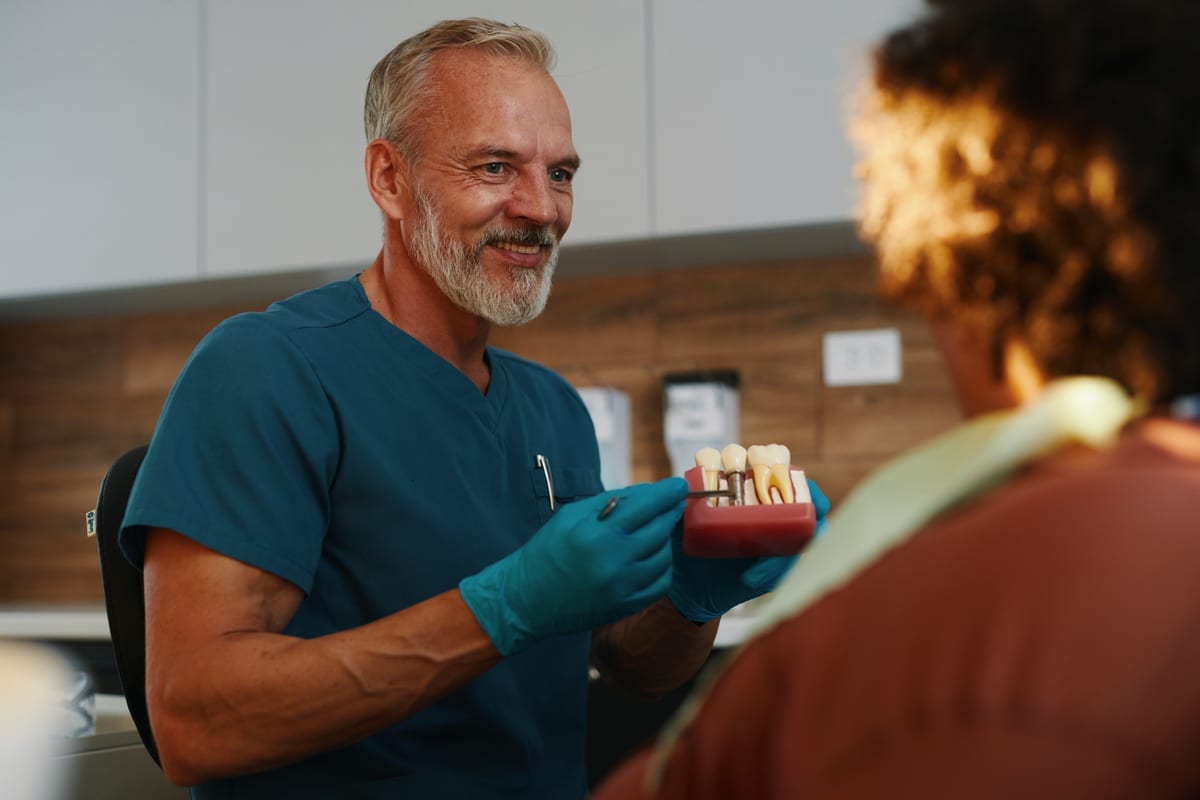
Frequently Asked Questions

Can a knocked-out tooth really be saved?

Yes, in many cases a knocked-out tooth can be successfully reimplanted if you act quickly. The tooth must be kept moist and reach a dentist within 30 minutes for the best chances. The sooner you act, the higher the likelihood of saving the tooth.

What is the best liquid to store a knocked-out tooth in?

Milk is the best readily available storage liquid for a knocked-out tooth. Saliva is also acceptable — you can keep the tooth between your cheek and gum if swallowing is not a risk. Never store the tooth in plain tap water, as it damages the root cells rapidly.

Should I try to push the tooth back into the socket myself?

If the patient is calm, conscious, and not at risk of swallowing the tooth, gentle reinsertion is recommended. Hold it by the crown, not the root, and ease it back into position without forcing it. Bite down gently on a soft cloth to hold it in place until you reach the dentist.

What happens if too much time passes before I see a dentist?

If more than an hour passes, reimplantation is less likely to succeed. However, you should still bring the tooth and seek care immediately. If the tooth cannot be saved, Dr. Karri will discuss replacement options such as dental implants or bridges to restore your smile.

Do children’s baby teeth get reimplanted after being knocked out?

Baby teeth are generally not reimplanted after being knocked out. Reimplanting a baby tooth can actually damage the developing permanent tooth beneath it. If your child knocks out a tooth, contact a dentist right away to confirm whether it was a baby tooth or a permanent one and to get proper guidance.

Dental Implant Costs in Colleyville, TX

Dental Implants in Colleyville

If you’ve been researching tooth replacement options, you’ve probably noticed that dental implant costs vary widely. Understanding what actually drives the price in Colleyville can help you make a confident, informed decision. At Serene Dental of Colleyville, Dr. Shilpa Karri believes every patient deserves clear answers before committing to treatment. This guide breaks down the real factors behind implant pricing — no guesswork, no surprises.

Why Dental Implant Costs Vary So Much

Not every dental implant case is the same. Each patient brings a unique set of needs, and those needs directly shape the total cost. A straightforward single-tooth replacement costs less than a full-mouth restoration. The complexity of your individual case is one of the biggest pricing drivers.

Several core factors influence what you’ll pay for implants in Colleyville:

  • Number of implants needed — one tooth vs. multiple teeth vs. full arch
  • Type of implant system used — different implant brands and materials vary in cost
  • The restoration on top — a crown, bridge, or denture attached to implants each carry different fees
  • Bone grafting requirements — not every patient needs this, but it adds to total cost when necessary
  • Pre-treatment diagnostics — 3D imaging and detailed planning increase precision and safety

Each of these components plays a role in your final quote. That’s why two patients sitting in the same waiting room can receive very different estimates.

The Anatomy of an Implant Cost in Colleyville

To understand dental implant costs explained fully, it helps to know what you’re actually paying for. A dental implant isn’t a single item — it’s a multi-stage process involving several distinct components.

The implant post is a small titanium screw placed surgically into the jawbone. This acts as the artificial tooth root. The abutment connects the post to the visible restoration on top. Finally, the crown, bridge, or other prosthetic sits on the abutment and looks like a natural tooth.

Each of these stages involves clinical time, materials, and lab work. Many dental offices quote these components separately. Always ask your provider to itemize the estimate so you understand exactly what’s included.

At Serene Dental of Colleyville, Dr. Karri walks every patient through a detailed treatment plan before any procedure begins. Transparency at this stage prevents confusion later.

Bone Grafting and Other Add-On Procedures

Some patients require additional procedures before implant placement. These are not optional extras — they’re medically necessary steps that ensure long-term success. Bone grafting is the most common example.

When a tooth has been missing for a long time, the jawbone beneath it can shrink. This is called bone resorption. An implant needs adequate bone density to fuse properly. If your bone density is too low, grafting builds it back up before the implant is placed.

Other potential add-ons include:

  • Sinus lifts — required for implants in the upper back jaw when the sinus cavity sits too low
  • Tooth extraction — if a failing tooth must be removed before implant placement
  • Gum disease treatment — active infection must be resolved before surgery
  • Temporary restorations — some patients need a temporary tooth during the healing phase

These procedures add both time and cost to your treatment journey. However, skipping necessary preparatory steps increases the risk of implant failure. Investing in proper preparation protects your long-term outcome.

How Dental Implants Compare to Other Tooth Replacement Options

Patients often weigh implants against other solutions like Dental Bridges or dentures. Each option has a different upfront cost and a different long-term value. Understanding that difference matters when making your decision.

A traditional bridge, for example, anchors to the healthy teeth on either side of the gap. It may cost less initially. However, it doesn’t preserve the underlying bone the way an implant does. Over time, that bone loss can affect the shape of your face and the fit of the restoration.

Implants, by contrast, stimulate the jawbone just like a natural tooth root. This preserves bone density and facial structure over decades. When you factor in the lifespan of an implant — often 20 or more years with proper care — the long-term value becomes clear.

For patients comparing restorative options, Dr. Karri at Serene Dental also offers Dental Bridges as an alternative for certain clinical situations. During your consultation, she’ll help you understand which option fits your oral health goals and your budget.

Financing Options That Make Implants More Accessible

Many Colleyville patients are surprised to learn that implants don’t always require full payment upfront. Flexible financing options exist to spread the cost over time. This makes a life-changing treatment more accessible for more people.

At Serene Dental of Colleyville, the team can discuss several ways to manage the investment in your smile. These typically include in-house payment plans and third-party financing through trusted patient financing companies. Monthly payment structures allow you to move forward without delaying care.

It’s worth noting that the total cost of an implant, spread over its useful lifespan, often works out to be very reasonable. Think of it as a long-term investment in your health, comfort, and confidence — not just a one-time dental expense.

Before your procedure, the front office team will review all available options with you. The goal is to make sure cost never prevents you from getting the care you need.

What to Expect During Your Implant Consultation at Serene Dental

The first step toward understanding your personal implant cost is scheduling a consultation. During this visit, Dr. Karri will evaluate your oral health, review your bone structure, and discuss your goals. This gives her everything she needs to build an accurate, personalized treatment plan.

You’ll leave the consultation with a clear picture of the process, timeline, and total investment. There are no vague estimates or last-minute surprises. Every Colleyville patient deserves that level of clarity.

Getting a thorough consultation also ensures that the treatment plan is built around your unique anatomy. A plan tailored to your needs will always produce better results than a one-size-fits-all approach.

Dr. Karri and the Serene Dental team are committed to making the process comfortable, transparent, and patient-centered from the very first appointment. Book Now to schedule your appointment with our team.

Frequently Asked Questions

What is the biggest factor that drives up dental implant costs?

The number of implants needed and whether bone grafting is required are typically the largest cost drivers. A single implant with no preparatory procedures costs significantly less than a full-arch restoration requiring multiple implants and bone rebuilding.

Are dental implants worth the cost compared to a bridge or denture?

For many patients, implants offer superior long-term value. They preserve jawbone, look and function like natural teeth, and can last decades with proper care. Other options may cost less upfront but often require replacement or adjustment over time.

Do dental implants in Colleyville require multiple appointments?

Yes. Implant treatment happens in stages. The implant post is placed first and allowed to fuse with the bone over several months. The final restoration is attached after healing is complete. This staged process ensures the implant integrates properly.

Can I finance dental implants at Serene Dental of Colleyville?

Yes. Serene Dental of Colleyville offers financing options to help patients manage the cost of implants over time. During your consultation, the team will walk you through available payment plans so you can choose what works best for your situation.

How do I know if I’m a good candidate for dental implants?

Good candidates generally have adequate bone density, healthy gums, and no untreated oral infections. Dr. Shilpa Karri will evaluate all of these factors during your consultation and let you know whether implants are the right fit or if preparatory treatment is needed first.

Dental Checkups Every 6 Months in Colleyville, TX

General Dentistry in Colleyville

You have probably heard the advice your entire life: see your dentist every six months. But have you ever wondered where that recommendation actually comes from? Understanding why your dentist recommends checkups every six months—and when you actually need more in Colleyville—can help you make smarter decisions about your oral health. At Serene Dental of Colleyville, Dr. Shilpa Karri believes informed patients get better outcomes. Let’s break down the science, the history, and the honest truth about dental visit frequency.

Where Did the Six-Month Rule Come From?

The twice-yearly checkup recommendation has roots going back decades. It was originally popularized in the mid-20th century, partly through marketing campaigns by toothpaste companies. However, that does not mean the advice is wrong—it just means the origin is more commercial than purely clinical.

Modern research supports the idea that regular checkups prevent serious problems. Studies show that catching tooth decay early significantly reduces treatment complexity. A small cavity spotted at a routine visit is far simpler to treat than one that has reached the nerve.

The six-month interval also gives your hygienist time to remove tartar buildup. Tartar cannot be removed by brushing at home. Without professional cleaning, it accumulates and contributes to gum disease over time.

What Actually Happens During a Routine Checkup in Colleyville

Many patients underestimate how much happens during a routine visit. Dr. Karri and the team at Serene Dental of Colleyville complete a thorough examination during every checkup. This includes screening for oral cancer, checking your bite, and assessing the health of existing restorations like Dental Bridges or crowns.

Your hygienist will also probe your gum pockets to measure gum health. Pocket depths tell us a great deal about whether gum disease is progressing. Early-stage gum disease, called gingivitis, is fully reversible when caught promptly.

X-rays are taken periodically to reveal what eyes cannot see. Decay between teeth, bone loss, and impacted wisdom teeth all show up on diagnostic imaging. Catching these issues early saves you time, money, and discomfort down the road.

  • Oral cancer screening — a quick, painless visual and physical check
  • Gum health assessment — measuring pocket depths to detect early disease
  • Tartar removal — professional cleaning eliminates buildup you cannot remove at home
  • Decay detection — X-rays and visual exams catch cavities before symptoms appear
  • Restoration check — evaluating crowns, bridges, and fillings for wear or damage

When Six Months Is Not Enough: Signs You Need More Frequent Visits

The six-month guideline works well for many patients. But it is not a one-size-fits-all rule. Certain conditions and risk factors mean some patients genuinely benefit from visits every three to four months.

Gum disease is one of the most common reasons for more frequent care. Active gum disease requires closer monitoring and more regular cleanings to prevent further bone and tissue loss. Patients with a history of periodontal treatment often stay on a three-month maintenance schedule.

Here are other situations where more frequent visits are strongly recommended:

  • Diabetes — high blood sugar increases infection risk and slows healing in the mouth
  • Dry mouth — reduced saliva dramatically increases cavity risk
  • Heavy smokers or tobacco users — significantly higher risk of gum disease and oral cancer
  • Patients undergoing chemotherapy or radiation — treatments affect oral tissue and immunity
  • Pregnancy — hormonal changes increase susceptibility to gum inflammation
  • History of frequent cavities — some patients are simply more cavity-prone than others

If any of these apply to you, talk openly with Dr. Karri. She will recommend a visit schedule tailored to your specific risk profile. There is no shame in needing more frequent care—it simply reflects your biology and health history.

The Role of Checkups in Preventing Complex Dental Problems

Routine checkups do more than clean your teeth. They interrupt the progression of problems that would otherwise require major treatment. Catching a cracked tooth early, for example, may allow for a simple crown placement. Waiting until the crack extends to the root often means extraction and replacement instead.

The same logic applies to gum disease. Early-stage gingivitis is treated with a professional cleaning and improved home care. Advanced periodontitis may require surgery, bone grafts, or tooth loss. Prevention is always less invasive than treatment.

Restorative options like Dental Bridges become necessary when teeth are lost—often due to decay or gum disease that went undetected. Regular checkups help patients in Colleyville avoid reaching that point in the first place. Preventive care is the most cost-effective strategy in dentistry.

How to Know What Schedule Is Right for You

The best way to determine your ideal visit frequency is a direct conversation with your dentist. Dr. Karri takes a personalized approach at Serene Dental of Colleyville. She reviews your medical history, examines your current oral health, and factors in your lifestyle habits before making a recommendation.

Some patients start on a six-month schedule and move to quarterly visits after a gum disease diagnosis. Others maintain great oral health and comfortably stick to twice-yearly appointments for decades. Your schedule should reflect your actual risk level—not just habit or convenience.

Children and seniors often have unique needs as well. Young children benefit from early and frequent monitoring as permanent teeth emerge. Older adults face increased risks of dry mouth, root decay, and medication-related oral side effects that warrant closer attention.

Conclusion: Your Checkup Schedule Should Work for You

The six-month recommendation is a solid starting point—not a rigid rule. It reflects decades of clinical experience and research showing that regular professional care prevents serious dental problems. But your individual health, habits, and history matter just as much as any general guideline.

Dr. Shilpa Karri and the team at Serene Dental of Colleyville are here to help you find the right rhythm for your oral health. Whether you are due for a routine cleaning or concerned about a specific issue, proactive care always leads to better outcomes. Book Now to schedule your appointment with our team.
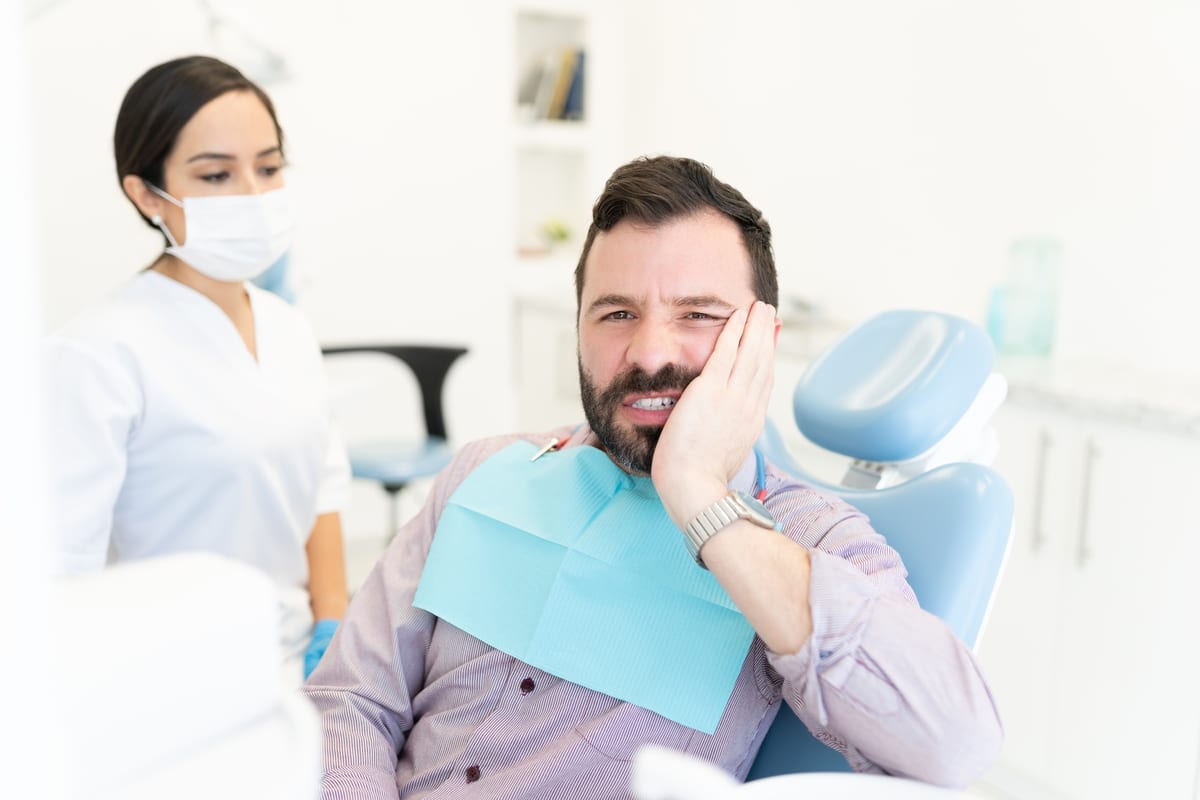
Frequently Asked Questions

Is the six-month dental checkup rule based on real science?

Yes—though it was popularized in part through marketing, modern research supports twice-yearly visits for most low-risk patients. Regular cleanings prevent tartar buildup and allow early detection of decay, gum disease, and oral cancer. Many dental organizations now acknowledge that visit frequency should be individualized based on patient risk.

How do I know if I need to see my dentist more than twice a year?

Talk to your dentist honestly about your health history. Conditions like diabetes, gum disease, dry mouth, or a history of frequent cavities often indicate a need for three- or four-month intervals. Dr. Karri at Serene Dental of Colleyville can assess your specific risk level and recommend a schedule that fits your needs.

What happens if I skip my six-month checkup?

Skipping visits gives tartar, decay, and gum disease more time to progress undetected. Problems that are simple to treat at an early stage can become complex and costly if left alone. Most patients who skip checkups end up needing more extensive treatment when they do return.

Does getting a dental checkup hurt?

For most patients, a routine checkup is comfortable and painless. Your hygienist may cause slight sensitivity during scaling if tartar buildup is significant. If you experience dental anxiety, let Dr. Karri know—Serene Dental of Colleyville prioritizes a calm and comfortable experience for every patient.

Can children follow the same six-month schedule as adults?

Children generally benefit from the same twice-yearly schedule, though some may need more frequent visits during active orthodontic treatment or if they are cavity-prone. Early and consistent dental visits help establish good habits and allow Dr. Karri to monitor tooth development as permanent teeth emerge.